
Custody battle
Miscarriage of justice , Issue 1686
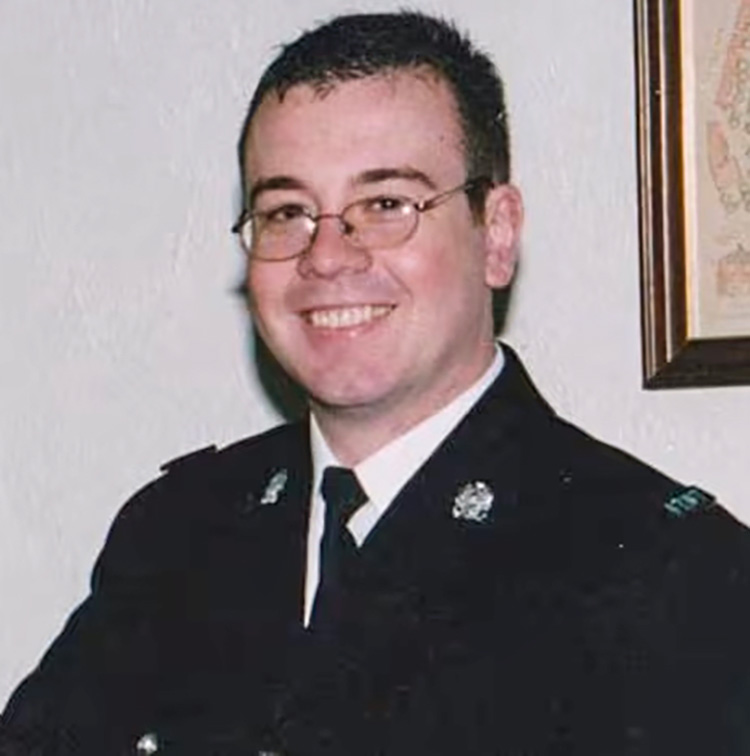
His case first featured in these pages almost two decades ago. Fresh out of prison, he was then hopeful that CCTV footage, which turned up too late for his trial, would clear his name (Eye 1199). But it’s taken another 19 years for his case to get back to the appeal court, where it will be heard next month.
Slow lane
The delay is largely down to the notoriously hesitant Criminal Cases Review Commission. It initially took four years to reject his case, then accepted it after new evidence emerged but then sat on it for almost another decade, saying it was awaiting the outcome of a criminal investigation into the actions of other officers who were on duty that night.
Operation Redhill, as it is known, is still under way, so why the wait for Danny? In the intervening years, the case against him has been all but demolished, along with his mental health and any chance of resuming his chosen career.
Danny was convicted at a 2006 retrial – the first jury was unable to return a verdict – and sentenced to 15 months in prison. Bradford crown court heard he had scuffled with the suspect, a well-built rugby player who resisted arrest, and must have returned to the man’s cell alone later and beaten him, breaking his nose.
The prosecution rested largely on the evidence of three of his colleagues, at least one of whom is now under investigation himself, but was otherwise weak.
Danny has always maintained he would have been seen on one of about 13 CCTV cameras at the station. Forensics concluded the prisoner had been punched by a left hander – Danny was right-handed. Computer hard drives were destroyed, and custody records had been written up after the event.
When the video footage belatedly turned up, sections were missing but it did show a different officer going back along the cell corridor three times without authorisation. It emerged that another prisoner had also reported being assaulted.
Lamp shade
Danny’s family have never stopped fighting to clear his name, with his parents remortgaging their home to fund a campaign.
They persuaded West Yorkshire’s police and crime commissioner to order an independent review, Operation Lamp, undertaken by Greater Manchester Police and published in 2015. It accepted Danny’s account and found another named, now retired officer “either deliberately or inadvertently misled the court”.
It was highly critical of West Yorkshire Police’s own investigation and its lead officer, who it said showed “poor investigative rigour and a mindset that could be described as verification bias”.
Ian Hanson, chair of the Greater Manchester Police Federation, described it as explosive, saying at the time: “In 30 years in the police service I have never seen a report as critical of one police force by another force... [it] vindicates Danny Major and what he has been saying for 12 years.”
The next round
Despite that unequivocal conclusion, the Crown Prosecution Service says it intends to fight the appeal, causing Danny and his young family more misery, as well as potentially wasting vast sums of taxpayers’ money and valuable court time.
More top stories in the latest issue:
BROKEN RIBS
Three lifeboat charities have been left with unfinished vessels after a UK boatbuilder went bust and its owner continued operations in the Middle East.
LOOSE ENDS
Some of the government’s key contractors have found rather desperate ways to put an optimistic spin on escaping prisoners.
SILENT TREATMENT
Thousands of children were blocked from receiving routine vaccinations after being wrongly given “indefinite suspensions” on their health records.
CLOTS IN CHARGE
The wait goes on for many victims of the contaminated blood scandal who have applied to the government’s long overdue compensation scheme.
STEED LIMITS
Despite being regarded as “critical national capacity”, the number of police horses has reduced by almost a quarter in the past two years.
LEGAL LEAPFROG
Carter-Ruck and its client Mohamed Amersi may have jumped the gun in celebrating their high court victory over the Solicitors Regulation Authority.
ELECTRIC SHOCKERS
As Ofgem’s investigation into rogue electricity supplier BES grinds on, a civil case against the company is being assembled by one of its victims.
GLOOM & DOOM BAR
Sharp’s in Cornwall is joining the long list of breweries being closed by their multinational owners, despite regional brewers reporting a cask ale revival.
GORDIAN NOTTS
The dire cuts to courses and staff approved by University of Nottingham bosses were no surprise to anyone aware of the university’s terrible spending habits.
Next issue on sale: 5th November 2026