





Overpaying the pipers
Nuclear power , Issue 1621
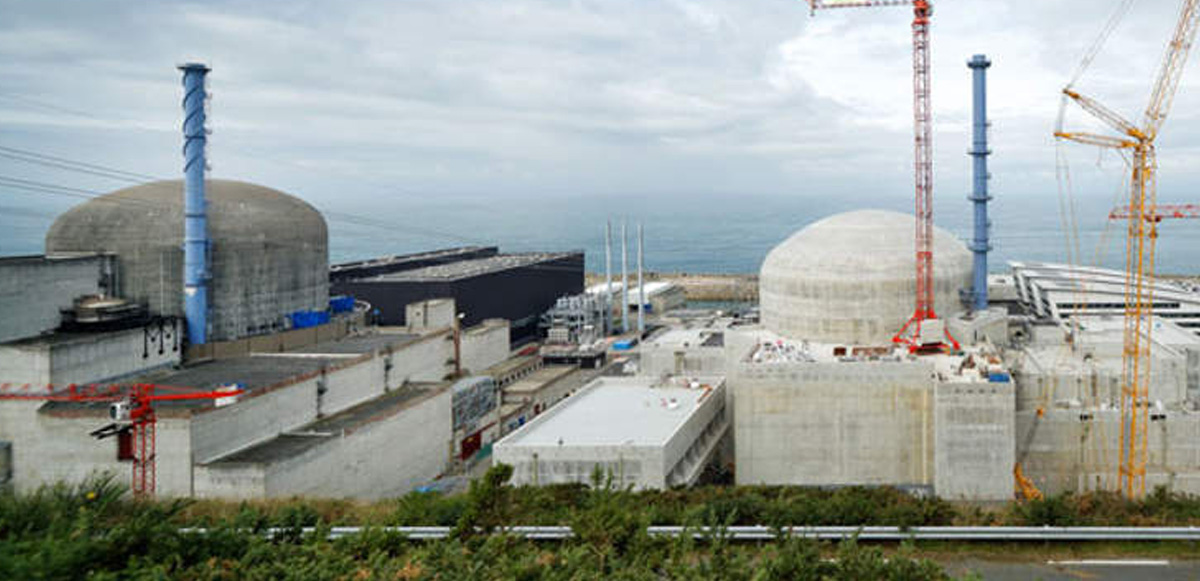
If you've ever wondered why, here's an example recently uncovered by the Eye.
Flaw plans
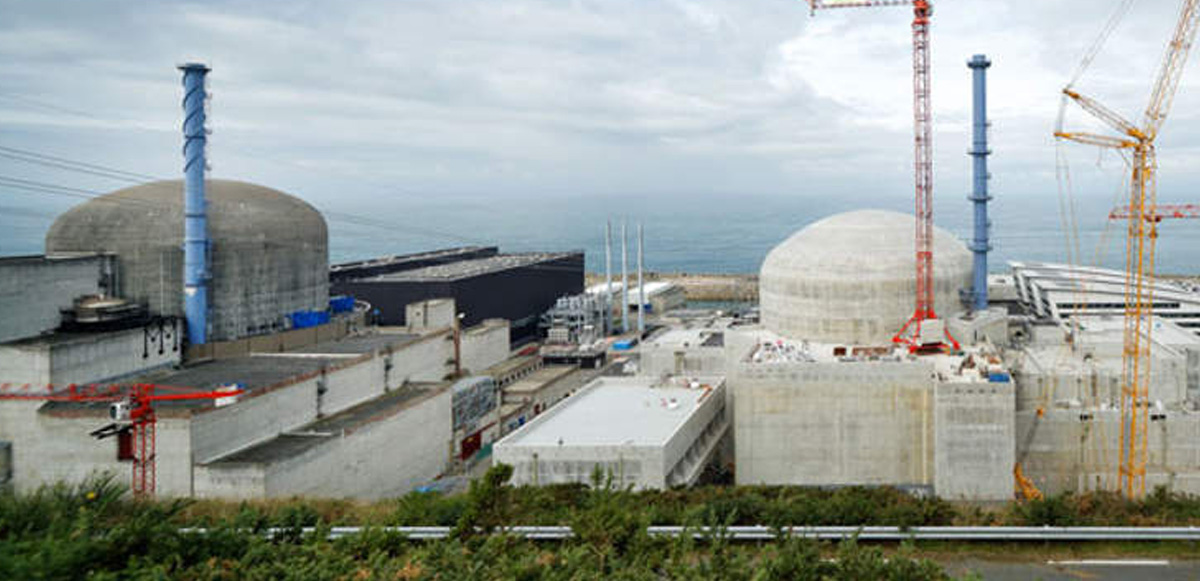
Nukes incorporate miles of intricate pipework from multiple suppliers, each with their own 3D design model, needing to be consolidated into a single workable design of high integrity. When preliminary plans come through, there can be incompatibilities and overall design flaws that are fairly obvious to the fabrication contractors at the sharp end.
Surely they reject duff designs and wait for corrections to be issued? Er, no. That would cause delays and immediate budget increases. So instead contractors are browbeaten into getting on with pipework that in some cases will ultimately need to be replaced.
As they get paid by the metre of pipework fabricated to the design they've been given, they've no incentive to take responsibility for issues they spot at the outset. And when flaws finally come to light, rectification means more billable work for them!
Such is the pressure to maintain non-stop activity, and such is EDF's shamelessness at announcing yet further delays (it's had a lot of practice), this fatuous trial-and-error process euphemistically known as "execution design" rolls on year to year. There can be safety issues, too.
Excess charges
And that's just the pipework: the big cumulative effect across the whole project is obvious too. Endless delays at Hinkley are now wreaking havoc with ministers' electricity plans (Eye 1616), with only one saving grace: it's EDF that picks up the tab for budget overruns on the project itself.
For the next EDF nuke (Sizewell C), however, the government has cravenly allowed EDF off the hook for the inevitable budget overruns, which will be down to taxpayers (Eyes passim).
Given EDF's performance so far, the mind boggles at how the absence of budgetary discipline will affect Sizewell's timetable and eventual cost. We won't find out until we get the bill.
More top stories in the latest issue:
BILLS & BEN
A high court costs hearing revealed more of the tawdry history of a dispute that ended in defeat for South Tees Development Corporation.
PUMPING IRONY
The feeble number of heat pumps being installed are being boosted artificially by paying out to households that were never meant to qualify for the bung.
BLOOD & BLUNDERS
Errors in analysis of tests for cancer in a leading NHS hospital laboratory in Leeds resulted in dozens of patients suffering harm.
PAID PACKETS
While the UK has cut international aid, the government development finance body that invests in the developing world is paying its staff handsomely.
ACCESS POINTS
Tech company Palantir's work with prompted some healthcare workers to block NHS England's offices over the firm's NHS contract.
LEAD TROUBLE
The director of psychology at an NHS trust has been away from her office for seven months after damning findings in an investigation into her behaviour.
CONFLICT OF INTEREST RATE
Two former financial traders are claiming one of the judges in their appeals against convictions for interest-rate manipulation was affected by bias.
HEAVY PETTING
The competition regulator is launching an investigation into the veterinary market after an inquiry generated 56,000 responses from customers and vets.
GOLF BALLS
Donald Trump's former project director has been airing his "regrets" over the treatment of residents on the Menie Estate – while downplaying his own role.
Next issue on sale: 24th April 2024